
There is a growing chorus in India about Pakistan mediating the tensions between the US and Iran. They feel that India has been sidelined. To some, it signals loss of prestige and relevance.
To me, this is a non-issue. It is rabble rousing, done with wilful ignorance of the underlying dynamics.
Not every global situation requires India’s (or for that matter every country’s) involvement, and not every absence is a missed opportunity.
As a regular, opinionated citizen with no political stakes, I feel a sense of relief. We do not want to jump from quicksand to quagmire. Whether by design or circumstance, staying away seems sensible.

It is wiser to protect one’s own ground than enter uncertain terrain—especially when our principle is simple: mind our own business.
Here is why.
1. India’s objectives are different
At a time when the world is going through significant shifts – trade disruptions, tariff changes, energy concerns, and broader economic uncertainty – India has its own priorities.
Focusing on enlightened self-interest like expanding trade deals and securing fuel supply seems both practical and necessary. The limited diplomatic bandwidth should be focused on this.
For Pakistan this could be a way of signalling their alignment to the US and asserting their relevance in world diplomacy.
2. India lacks the leverage that Pakistan has
India maintains a professional relationship with both the United States and Iran, but that does not translate into leverage for mediation.
Pakistan, on the other hand, has made deep overtures. They nominated Mr. Trump for the Nobel Peace Prize. They recently got into an agreement with the US Government to jointly develop the Roosevelt Hotel in Manhattan. It is a $1B property owned by the Pakistan government, and they have given 50% of the stake to the US Government for this joint development.
Pakistan and Iran have a cordial relationship and share a 900km long border. Pakistan also has a significant Shia population. These give Pakistan a different kind of access and relevance.
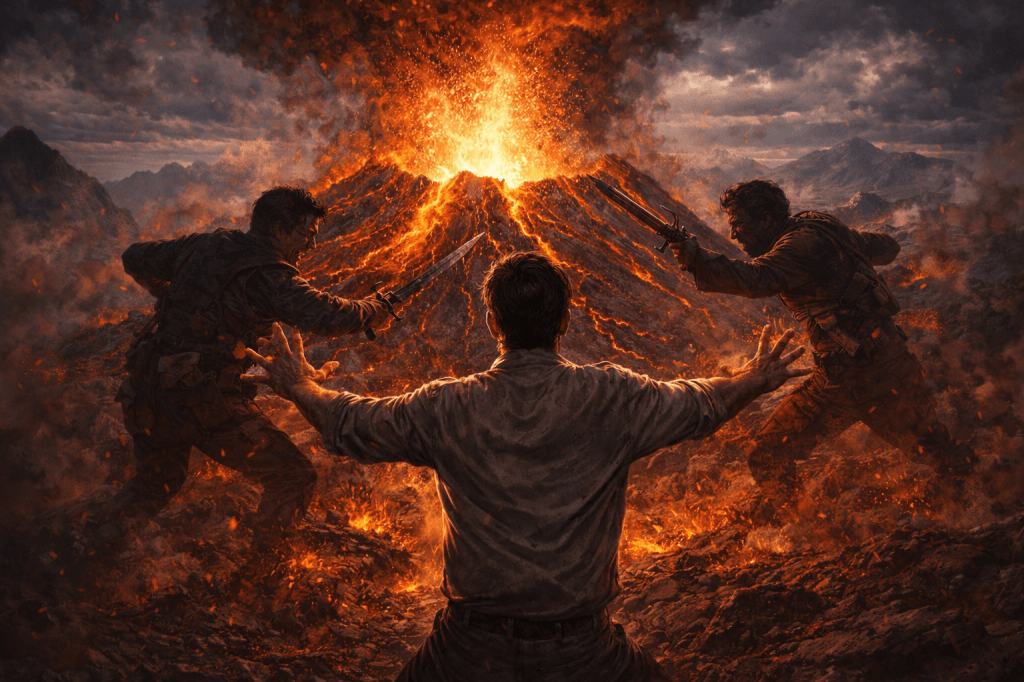
Also during the negotiation process, India cannot be easily ‘bounced around’, making India a less convenient mediator. Pakistan, in contrast, may be seen as more flexible and situationally aligned.
3. Probability of success is low
The positions held by the United States and Iran are not just different—they are fundamentally irreconcilable. These are not negotiations where small adjustments can lead to convergence. Establishing even a starting point is difficult, let alone reaching a resolution.
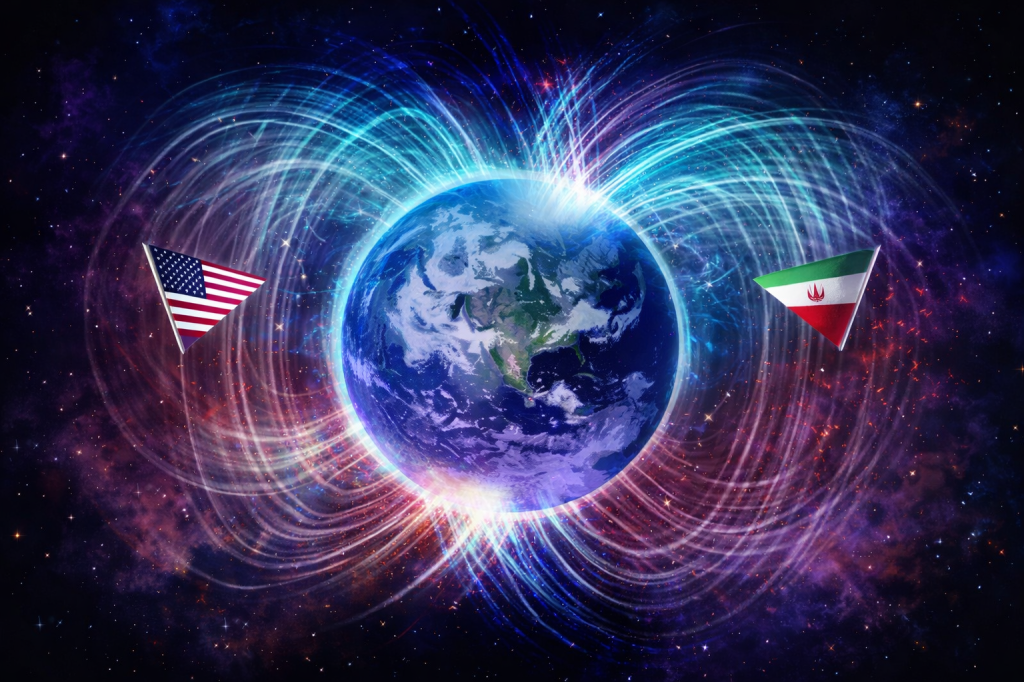
Entering a situation where the likelihood of success is so low does not seem like a prudent use of diplomatic capital. This is not about passing notes and facilitating dialogue. It is about bridging divides that are simply unbridgeable.
4. History doesn’t help
The 1979 revolution was primarily against American imperialism and the US backed Shah. Now, US has achieved ‘de-capitation’ of the Iranian regime, but the successor is someone who lost his father, wife and daughter in the attack. They have prepared for this scenario for over 40 years.
Interactions in the recent past have also created a deep trust deficit. Iran claims that the attack started just as the Oman mediated negotiations were about to close.
Even some Omani officials claimed that final presentations were made and things were about to be wrapped up when US unleashed its wrath. This doesn’t augur well for finding a convergence.
Summary
India’s staying away from this mediation helps India stay focused on its objectives. As for Pakistan’s involvement, they will have their own strategic considerations. And that too is none of India’s business.